 |
| Source http://www.uwmc.uwc.edu/geography/demotrans/demtran.htm |
Showing posts with label cancer. Show all posts
Showing posts with label cancer. Show all posts
Saturday, December 22, 2012
Five Years Since Surgery


Tuesday, July 24, 2012
Sally Ride - First American Female Astronaut
 | |
| Group of women selected by NASA for astronaut program. |
Sally also started from a modest background. Both Sally and Ron had doctorates in physics - Sally from Stanford and Ron from MIT.
Sunday, July 15, 2012
Anniversaries re cancer
Fourth anniversary of the end of chemo (July 2008). Fifth anniversary of the beginning of diagnostic process (July 2007). Now I know why they said it takes five years for nerve damage to repair - I found that shocking then and I still do. Hey, I'm alive.
Friday, December 16, 2011
Christopher Hitchens - God Is Not Great
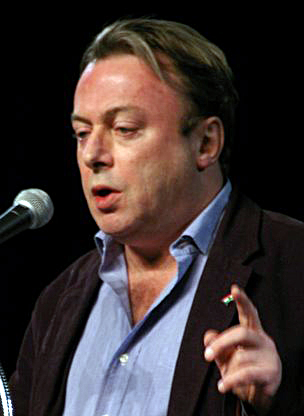 | |
| Christopher Eric Hitchens |
http://en.wikipedia.org/wiki/Hitchens,_Christopher
I add a few quotes from Thomas Carlyle
http://en.wikipedia.org/wiki/Thomas_Carlyle
- I do not believe in the collective wisdom of individual ignorance.
- It is a vain hope to make people happy by politics.
- The world is a republic of mediocrities, and always was.
- Writing is a dreadful labor, yet not so dreadful as Idleness.
Monday, October 3, 2011
Nobel Prize in Medicine 2011
STOCKHOLM |
(Reuters) - The Nobel Foundation said
on Monday a decision to award the 2011 Nobel Prize for medicine or
physiology to Canadian scientist Ralph Steinman would remain unchanged
despite his death.
By Patrick Lannin and Anna Ringstrom STOCKHOLM | Mon Oct 3, 2011 11:52am EDT
STOCKHOLM (Reuters) - A scientist who won the Nobel prize for medicine on Monday for work on fighting cancer died of the disease himself just three days before he could be told of his award, and after using his own discoveries to extend his life.
Canadian-born Ralph Steinman, 68, had been treating himself with a groundbreaking therapy based on his own research into the body's immune system but died on Friday after a four-year battle with pancreatic cancer. His colleagues at Rockefeller University in New York called it a "bittersweet" honor.
The Nobel Committee at Sweden's Karolinska Institute, which does not make posthumous awards, said it was aware of Steinman's death; but it appeared that it had not known before making its announcement. It is likely that Steinman died without being aware he had won science's ultimate accolade, along with American Bruce Beutler and Jules Hoffmann of France.
Swedish officials on the Nobel Committee were rushing to try to clarify what secretary general Goran Hansson, called a "unique situation, because he died hours before the decision was made." Hansson told Swedish news agency TT the panel would review what to do with the prize money, due to rules against posthumous awards. But it would not name a substitute winner.
"The Nobel Foundation has recognized Ralph Steinman for his seminal discoveries concerning the body's immune responses," said Rockerfeller University president Marc Tessier-Lavigne.
"But the news is bittersweet, as we also learned this morning from Ralph's family that he passed a few days ago after a long battle with cancer," he added.
The institution said in a statement: "Steinman passed away on September 30. He was 68. He was diagnosed with pancreatic cancer four years ago, and his life was extended using a dendritic-cell based immunotherapy of his own design."
Alexis Steinman, indicating that her father had not known on his deathbed of the impending decision in Stockholm, said: "We are all so touched that our father's many years of hard work are being recognized with a Nobel Prize. He devoted his life to his work and his family and he would be truly honored."
Beutler and Hoffmann, who studied the first stages of the body's immune responses to attack in the 1990s, shared the $1.5 million award with Steinman, originally from Montreal, whose discovery of dendritic cells in the 1970s is key to understanding the body's next line of defense against disease.
"This year's Nobel laureates have revolutionized our understanding of the immune system by discovering key principles for its activation," the award panel at Sweden's Karolinska Institute said in a statement in Stockholm.
Lars Klareskog, who chairs the prize-giving panel, told Reuters before the news of Steinman's death: "I am very excited about what these discoveries mean. I think that we will have new, better vaccines against microbes and that is very much needed now with the increased resistance against antibiotics."
Beutler, 53, is based at the Scripps Research Institute in La Jolla, California. Luxembourg-born Hoffmann, 70, conducted much of his work in Strasbourg. They were supposed to share half the 10 million Swedish crowns ($1.46 million) of prize-money. The rest should have gone to Steinman, though the unusual circumstances leave its fate now in some doubt.
Beutler told Reuters he had learned of his prize by e-mail and had to search online to make sure it was true: "I finally found it on Google News. My name was all over the place."
Of his work, he said, it "might lead to new treatments for inflammatory and auto-immune disease and possibly new treatments for other kinds of diseases as well."
The work of all three scientists has been pivotal to the development of improved types of vaccines against infectious diseases and novel approaches to fighting cancer. The research has helped lay the foundations for a new wave of "therapeutic vaccines" that stimulate the immune system to attack tumors.
Better understanding of the complexities of the immune system has also given clues for treating inflammatory diseases, such as rheumatoid arthritis, where the components of the self-defense system end up attacking the body's own tissues.
Beutler and Hoffmann discovered in the 1990s that receptor proteins act as a first line of defense, innate immunity, by recognizing bacteria and other microorganisms. Steinman's work, explained how, if required, dendritic cells in the next phase, adaptive immunity, kill off infections that break through.
Understanding dendritic cells led to the launch of the first therapeutic cancer vaccine last year, Dendreon's Provenge, which treats men with advanced prostate cancer.
"We live in a dangerous world. Pathogenic microorganisms threaten us continuously," the Nobel panel said, describing the work over the decades in understanding our defenses.
"The first line of defense, innate immunity, can destroy invading microorganisms and trigger inflammation ... If microorganisms break through this defense line, adaptive immunity is called into action ... It produces antibodies and killer cells that destroy infected cells ... These two defense lines ... provide good protection against infections, but they also pose a risk ...: inflammatory disease may follow."
Medicine, or physiology, is usually the first of the Nobel prizes awarded each year. Prizes for achievements in science, literature and peace were first awarded in 1901 in accordance with the will of dynamite inventor and businessman Alfred Nobel.
The award citation noted that the world's scientists had long been searching for the "gatekeepers" of immune response.
Hoffmann's pioneering research was conducted on fruit flies, highlighting how key elements of modern human biology have been conserved through evolution.
The immune system exists primarily to protect against infections but it can also protect against some cancers by targeting rogue cells before they proliferate.
Sometimes, however, the immune system goes into overdrive and attacks healthy tissue, leading to autoimmune inflammatory diseases, such as type 1 diabetes and multiple sclerosis, as well as rheumatoid arthritis. The effect is often compared to "friendly fire," when troops hit their own comrades in combat.
(Additional reporting by Ben Hirschler in London and Mia Shanley in Stockholm; Writing by Alastair Macdonald)
Steinman was awarded the prize together with Bruce Beutler and Jules Hoffmann for increasing understanding of the immune system.
Rules set up in 1974 prevent the Nobel Committee from awarding the prizes posthumously, unless death has occurred after the announcement of the Nobel Prize.
Steinman died on September 30 and the committee announced the prize without knowing of his death.
"The events that have occurred are unique and, to the best of our knowledge, are unprecedented in the history of the Nobel Prize," the foundation said in a statement.
"According to the statutes of the Nobel Foundation, work produced by a person since deceased shall not be given an award. However, the statutes specify that if a person has been awarded a prize and has died before receiving it, the prize may be presented."
(Reporting by Mia Shanley)
By Patrick Lannin and Anna Ringstrom STOCKHOLM | Mon Oct 3, 2011 11:52am EDT
 |
| Zanvil Cohn (left) and Ralph Steinman (right) examining d |
Canadian-born Ralph Steinman, 68, had been treating himself with a groundbreaking therapy based on his own research into the body's immune system but died on Friday after a four-year battle with pancreatic cancer. His colleagues at Rockefeller University in New York called it a "bittersweet" honor.
The Nobel Committee at Sweden's Karolinska Institute, which does not make posthumous awards, said it was aware of Steinman's death; but it appeared that it had not known before making its announcement. It is likely that Steinman died without being aware he had won science's ultimate accolade, along with American Bruce Beutler and Jules Hoffmann of France.
Swedish officials on the Nobel Committee were rushing to try to clarify what secretary general Goran Hansson, called a "unique situation, because he died hours before the decision was made." Hansson told Swedish news agency TT the panel would review what to do with the prize money, due to rules against posthumous awards. But it would not name a substitute winner.
"The Nobel Foundation has recognized Ralph Steinman for his seminal discoveries concerning the body's immune responses," said Rockerfeller University president Marc Tessier-Lavigne.
"But the news is bittersweet, as we also learned this morning from Ralph's family that he passed a few days ago after a long battle with cancer," he added.
The institution said in a statement: "Steinman passed away on September 30. He was 68. He was diagnosed with pancreatic cancer four years ago, and his life was extended using a dendritic-cell based immunotherapy of his own design."
Alexis Steinman, indicating that her father had not known on his deathbed of the impending decision in Stockholm, said: "We are all so touched that our father's many years of hard work are being recognized with a Nobel Prize. He devoted his life to his work and his family and he would be truly honored."
Beutler and Hoffmann, who studied the first stages of the body's immune responses to attack in the 1990s, shared the $1.5 million award with Steinman, originally from Montreal, whose discovery of dendritic cells in the 1970s is key to understanding the body's next line of defense against disease.
"This year's Nobel laureates have revolutionized our understanding of the immune system by discovering key principles for its activation," the award panel at Sweden's Karolinska Institute said in a statement in Stockholm.
Lars Klareskog, who chairs the prize-giving panel, told Reuters before the news of Steinman's death: "I am very excited about what these discoveries mean. I think that we will have new, better vaccines against microbes and that is very much needed now with the increased resistance against antibiotics."
Beutler, 53, is based at the Scripps Research Institute in La Jolla, California. Luxembourg-born Hoffmann, 70, conducted much of his work in Strasbourg. They were supposed to share half the 10 million Swedish crowns ($1.46 million) of prize-money. The rest should have gone to Steinman, though the unusual circumstances leave its fate now in some doubt.
Beutler told Reuters he had learned of his prize by e-mail and had to search online to make sure it was true: "I finally found it on Google News. My name was all over the place."
Of his work, he said, it "might lead to new treatments for inflammatory and auto-immune disease and possibly new treatments for other kinds of diseases as well."
The work of all three scientists has been pivotal to the development of improved types of vaccines against infectious diseases and novel approaches to fighting cancer. The research has helped lay the foundations for a new wave of "therapeutic vaccines" that stimulate the immune system to attack tumors.
Better understanding of the complexities of the immune system has also given clues for treating inflammatory diseases, such as rheumatoid arthritis, where the components of the self-defense system end up attacking the body's own tissues.
Beutler and Hoffmann discovered in the 1990s that receptor proteins act as a first line of defense, innate immunity, by recognizing bacteria and other microorganisms. Steinman's work, explained how, if required, dendritic cells in the next phase, adaptive immunity, kill off infections that break through.
Understanding dendritic cells led to the launch of the first therapeutic cancer vaccine last year, Dendreon's Provenge, which treats men with advanced prostate cancer.
"We live in a dangerous world. Pathogenic microorganisms threaten us continuously," the Nobel panel said, describing the work over the decades in understanding our defenses.
"The first line of defense, innate immunity, can destroy invading microorganisms and trigger inflammation ... If microorganisms break through this defense line, adaptive immunity is called into action ... It produces antibodies and killer cells that destroy infected cells ... These two defense lines ... provide good protection against infections, but they also pose a risk ...: inflammatory disease may follow."
Medicine, or physiology, is usually the first of the Nobel prizes awarded each year. Prizes for achievements in science, literature and peace were first awarded in 1901 in accordance with the will of dynamite inventor and businessman Alfred Nobel.
The award citation noted that the world's scientists had long been searching for the "gatekeepers" of immune response.
Hoffmann's pioneering research was conducted on fruit flies, highlighting how key elements of modern human biology have been conserved through evolution.
The immune system exists primarily to protect against infections but it can also protect against some cancers by targeting rogue cells before they proliferate.
Sometimes, however, the immune system goes into overdrive and attacks healthy tissue, leading to autoimmune inflammatory diseases, such as type 1 diabetes and multiple sclerosis, as well as rheumatoid arthritis. The effect is often compared to "friendly fire," when troops hit their own comrades in combat.
(Additional reporting by Ben Hirschler in London and Mia Shanley in Stockholm; Writing by Alastair Macdonald)
STOCKHOLM |
(Reuters) - The Nobel Foundation said
on Monday a decision to award the 2011 Nobel Prize for medicine or
physiology to Canadian scientist Ralph Steinman would remain unchanged
despite his death.Steinman was awarded the prize together with Bruce Beutler and Jules Hoffmann for increasing understanding of the immune system.
Rules set up in 1974 prevent the Nobel Committee from awarding the prizes posthumously, unless death has occurred after the announcement of the Nobel Prize.
Steinman died on September 30 and the committee announced the prize without knowing of his death.
"The events that have occurred are unique and, to the best of our knowledge, are unprecedented in the history of the Nobel Prize," the foundation said in a statement.
"According to the statutes of the Nobel Foundation, work produced by a person since deceased shall not be given an award. However, the statutes specify that if a person has been awarded a prize and has died before receiving it, the prize may be presented."
(Reporting by Mia Shanley)
Friday, August 22, 2008
Good MRI Results
To my concerned neighbors, friends and caregivers,
I just met with my MGH oncologist to discuss the results of my latest post-chemo MRI study. A CT scan two weeks ago showed some anomalies in my liver that could have been metastatic cancer but were not typical of metastasis. To confirm this, an abdominal MRI study was performed on Wednesday night. The radiologist interprets the objects as likely cycts and not cancer. This is great news. Even though I was prepared for the worst, bad news would mean a completely different pattern of therapy (more chemo, surgery, etc. ) and a much lower chance of survival. Happy as I am about these results, I would never declare myself cured at this early stage. The next few years are ones of intense monitoring and recurrence is possible. As with many like me, the memories are fresh and we are traumatized. For some, me certainly, the fear will never fade. The end of chemo is not the end of fear and anxiety.
Here is a link which explains some of the emotions that can occur after cancer treatment.
http://www.mayoclinic.com/health/cancer-survivor/CA00071
There is a tendency to not care about the body which has already let you down. Earlier habits of exercise, healthy eating, weight control, self care, etc. need to be reprogrammed. It's easy to fall into a self-destructive pattern and I don't see this as irrational at all. It's a choice and a daily struggle. After all, why die of cancer when you can die of something more fun like vodka poisoning. :-) or skydiving .
--Dave
I just met with my MGH oncologist to discuss the results of my latest post-chemo MRI study. A CT scan two weeks ago showed some anomalies in my liver that could have been metastatic cancer but were not typical of metastasis. To confirm this, an abdominal MRI study was performed on Wednesday night. The radiologist interprets the objects as likely cycts and not cancer. This is great news. Even though I was prepared for the worst, bad news would mean a completely different pattern of therapy (more chemo, surgery, etc. ) and a much lower chance of survival. Happy as I am about these results, I would never declare myself cured at this early stage. The next few years are ones of intense monitoring and recurrence is possible. As with many like me, the memories are fresh and we are traumatized. For some, me certainly, the fear will never fade. The end of chemo is not the end of fear and anxiety.
Here is a link which explains some of the emotions that can occur after cancer treatment.
http://www.mayoclinic.com/health/cancer-survivor/CA00071
There is a tendency to not care about the body which has already let you down. Earlier habits of exercise, healthy eating, weight control, self care, etc. need to be reprogrammed. It's easy to fall into a self-destructive pattern and I don't see this as irrational at all. It's a choice and a daily struggle. After all, why die of cancer when you can die of something more fun like vodka poisoning. :-) or skydiving .
--Dave
Tuesday, July 10, 2007
Prologue To Blog - Cancer!
I am writing this post around July 10, 2012 - five years after I experienced something that would lead to a diagnosis of colorectal cancer. In hindsight, diagnosis is easy: Inflammatory bowel disease since childhood, rectal bleeding, narrow stool, and finally, unexplained anxiety that was triggered by pressure around the anorectal area. At first, I thought it was a heart attack of some kind. I called 911 and went to the Emergency Dept. Nothing was found. The ER junior did a very poor rectal exam. So did my primary care doc (but he said I should see a cardiac and an GI specialist). I chose GI first. The gastro lady had a great finger - she found the tumor instantly. And she contacted a nearby surgeon to do a biopsy. (Reminder: Send flowers to GI lady on fifth anniversary). The biopsy and pathology analysis revealed that the tumor was malignant (Stage 3). Time to switch to a real cancer center. I chose Massachusetts General Hospital (MGH). I was assigned a team of three doctors - a medical oncologist, a radiation oncologist and an oncologic GI surgeon. By pure luck, I got the creme de la creme of the profession. Well, I'll give myself some credit - MGH is always a good choice for anything serious.
September 2007 was a time of lots of imaging and prep for radiation. First, the big, scary question - had the cancer metastasized. Metastasis (spread) to the liver, or other organs, changes the whole story of cancer. Survival statistics are generally worse (20% vs 70%, five year). And chasing mets is not my idea of fun. The stats are very real to me. Several fellow patients, who were diagnosed around the same time as I was, are not here to tell their tale. Some held on for three or four years but brain mets got them eventually. Brain is a bad place to have anything but normal brain tissue.
My first real blog post was in the middle of chemo - April 2008. I won't bore you with the entire story of radiation. In short, I can say it's very crude but it works. Regarding surgery, this is one area where the skill and experience of the surgeon (and his team) is paramount. I am positive there is no finer surgeon for my procedure the one I was assigned. Thanks MGH.
September 2007 was a time of lots of imaging and prep for radiation. First, the big, scary question - had the cancer metastasized. Metastasis (spread) to the liver, or other organs, changes the whole story of cancer. Survival statistics are generally worse (20% vs 70%, five year). And chasing mets is not my idea of fun. The stats are very real to me. Several fellow patients, who were diagnosed around the same time as I was, are not here to tell their tale. Some held on for three or four years but brain mets got them eventually. Brain is a bad place to have anything but normal brain tissue.
My first real blog post was in the middle of chemo - April 2008. I won't bore you with the entire story of radiation. In short, I can say it's very crude but it works. Regarding surgery, this is one area where the skill and experience of the surgeon (and his team) is paramount. I am positive there is no finer surgeon for my procedure the one I was assigned. Thanks MGH.
Subscribe to:
Posts (Atom)